
US Report on Armed Groups in Nigeria Raises Urgent Questions on Security and Governance
The USCIRF claims highlight deepening insecurity, but also reignite debate on causes, accountability, and national response

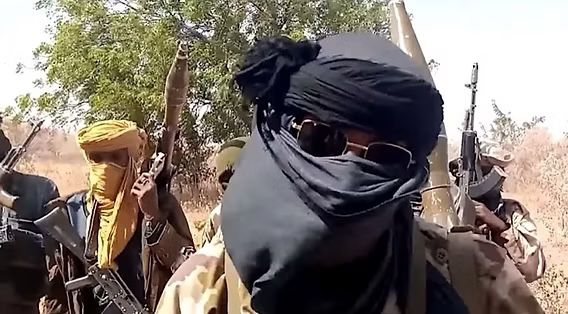
US Report on Armed Groups in Nigeria Raises Urgent Questions on Security and Governance
The recent report by the United States Commission on International Religious Freedom (USCIRF), which estimates that about 30,000 armed Fulani militants are operating across Nigeria, has once again placed the country’s worsening security situation under international scrutiny.
While the figures and claims in the report are alarming, they also underline a broader and long-standing issue: Nigeria’s struggle to effectively contain violent non-state actors across multiple regions.
If the report’s findings are accurate, then the scale of insecurity described is not only troubling but also indicative of serious gaps in intelligence, coordination, and rapid response by security agencies. Rural communities in the Middle Belt and other affected regions have for years reported repeated attacks, displacement, and loss of livelihoods, creating a humanitarian crisis that continues to expand.

However, the situation is also more complex than a single narrative. Violence in Nigeria’s rural areas has been widely linked to a mix of factors including resource competition, climate pressure, land disputes, criminal activity, and ethnic tensions. Reducing the crisis to a single identity-based framing risks oversimplifying a deeply layered conflict.
What remains undeniable is the human cost. Thousands of lives have been lost over the years, and millions displaced, leaving many communities vulnerable and economically broken. Whether through armed banditry, farmer-herder clashes, or communal violence, the absence of lasting security solutions continues to erode public confidence in state protection.
The report also raises concerns about the effectiveness of government response. While authorities have taken steps such as designating certain armed groups as terrorist organisations and launching security operations, many affected communities still report delayed intervention and insufficient protection.
At this stage, what Nigeria urgently needs is not only stronger military and policing action but also sustained structural reforms. These include better land-use policies, improved intelligence gathering, community-based peacebuilding, and accountability for all actors involved in violence, regardless of identity or affiliation.
Ultimately, the USCIRF report serves as another reminder that insecurity in Nigeria is no longer a local issue alone but one with international attention and consequences. How the government responds in the coming months will be critical in determining whether the cycle of violence continues or begins to decline.

Contact: justnewsonly1@gmail.com
